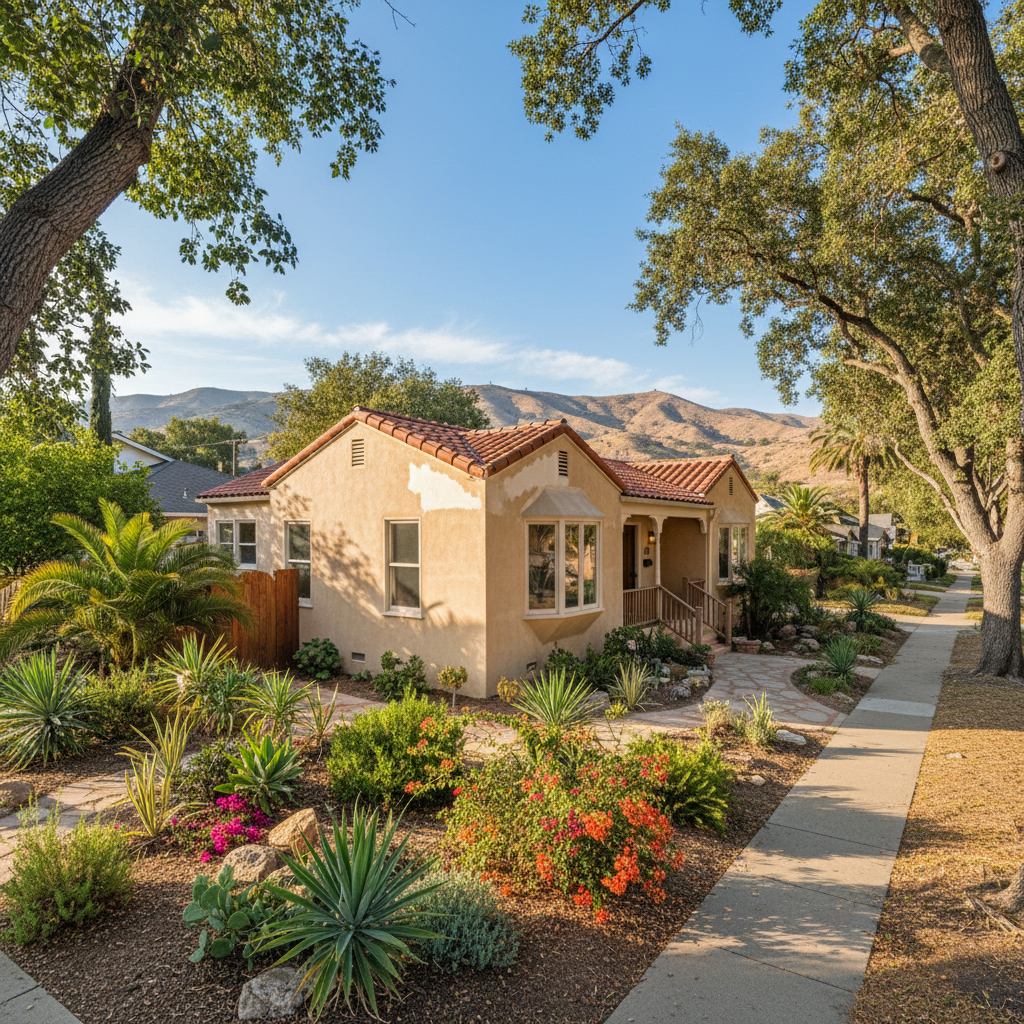
You've seen them, haven't you? Those tiny hairline cracks, maybe a bigger spiderweb pattern, or even some weird discoloration on your stucco. It's easy to just shrug and think, 'Oh, it's just a little wear and tear.' But here in Pasadena, with our crazy climate and all our historic homes, those little issues can quickly blow up into major headaches if you don't tackle them the right way—and with some real local smarts.
I've been knee-deep in stucco work around this city for years, and let me tell you, what flies in, say, the Central Valley, often just won't cut it here. Our homes, from the charming Craftsman bungalows over in Bungalow Heaven to the grand Spanish Colonial Revival estates up in the San Rafael Hills, they've all got character. And that character demands a specialized touch for their stucco.
Pasadena's Stucco Challenges Are Anything But Ordinary
You might figure stucco is stucco, plain and simple. But our local environment throws some serious curveballs that really beat up these exteriors. Here's what we're up against:
- Wild Temperature Swings: We get those scorching, dry summers where the mercury can really climb, followed by much cooler nights. This constant expanding and shrinking puts a ton of stress on stucco, and yep, that leads to cracks. It's almost like the material is constantly breathing, and if it's not flexible enough, it'll show.
- Alkaline Soils & Moisture: Pasadena actually sits on expansive clay soils. When it rains, especially during our wet season from November to March, these soils swell up. Then, as they dry out, they shrink back down. This movement can cause foundations to shift, and guess what that means? Stucco cracking, particularly on homes built into hillsides. On top of that, moisture from the soil can pull up alkaline salts, leaving that white, powdery stuff—efflorescence—on the surface.
- Santa Ana Winds: Between fall and early spring, those infamous Santa Ana winds really howl through here, sometimes hitting over 40 mph. They carry dust and all sorts of debris, which erodes the surface. Worse, they can even cause stress fractures, speeding up how fast water gets into existing cracks. If you live in an exposed spot like Hastings Ranch or higher up in Lamanda Park, you absolutely know this feeling.
- Our Historic Homes: A huge chunk of Pasadena's houses went up before 1950. These places often feature traditional lime-cement stucco, which behaves totally differently than the modern synthetic stuff. Trying to patch old stucco with new, incompatible materials? That's just asking for trouble. You really need someone who understands these older systems and knows how to match the right period-appropriate finishes and textures.
- Constant UV Exposure: We all love our sunshine, right? But with over 280 sunny days a year, that relentless UV exposure fades stucco finishes pretty fast, often within 5-8 years. And this isn't just about looks; it can actually break down the protective coating.
Why "Good Enough" Repairs Just Don't Cut It Here
You might find a contractor who can slap a patch on a crack, sure. But without really understanding these specific local conditions, you're basically just putting a band-aid on a much bigger problem. That's why local expertise, like what we bring to the table at Pasadena Stucco & Plastering, is absolutely essential:
- We Find the Real Problem: We don't just fix the symptom. We dig deep to figure out why the stucco failed in the first place. Is it the foundation moving? Water sneaking in from a leaky gutter? Or just thermal stress? You simply have to identify the root cause to make a repair that actually lasts.
- Matching Materials & Textures: Especially with our historic homes, getting the color and texture just right is super important. You definitely don't want a patch that screams "I'm new here!" We know all the different stucco types, from super smooth to sand finishes to skip-trowel, and we've got the experience to blend repairs so they look seamless. This is a big deal in areas with strict design rules, like Bungalow Heaven or the Prospect Boulevard Historic District, where doing it wrong can actually lead to fines.
- Handling Moisture: Water is stucco's arch-nemesis. Even tiny cracks let moisture in, which can lead to rot in the wood framing underneath—and even mold. We know how to properly seal, flash, and make sure water drains away, preventing it from getting trapped behind the stucco. This is especially critical during our rainy season.
- Permits & City Rules: The City of Pasadena has very specific rules for stucco repair, especially for jobs costing a certain amount or in historic districts. For instance, if your repair is over $1,500, you'll probably need a permit. And if you're in a Historic Preservation Overlay Zone (HPOZ), you'll need a Certificate of Appropriateness to make sure your work matches the design standards. We handle all that paperwork and ensure your project is up to code, helping you steer clear of costly delays or fines.
Don't Let a Small Crack Turn Into a Huge Headache
Ignoring stucco damage is kind of like ignoring a small leak in your roof. It only ever gets worse, and more expensive. A tiny hairline crack might seem minor, but it's basically an open invitation for water to get in and start messing with your home's structure. Once wood rot or mold sets in, you're looking at a much bigger, much more invasive, and way pricier repair.
So, if you spot any signs of stucco trouble – cracks, discoloration, soft spots, or bubbling – don't just wait. Get it checked out by someone who really understands Pasadena homes and our unique environment. It'll save you a ton of stress and money down the road, and keep your home looking its absolute best for years to come.