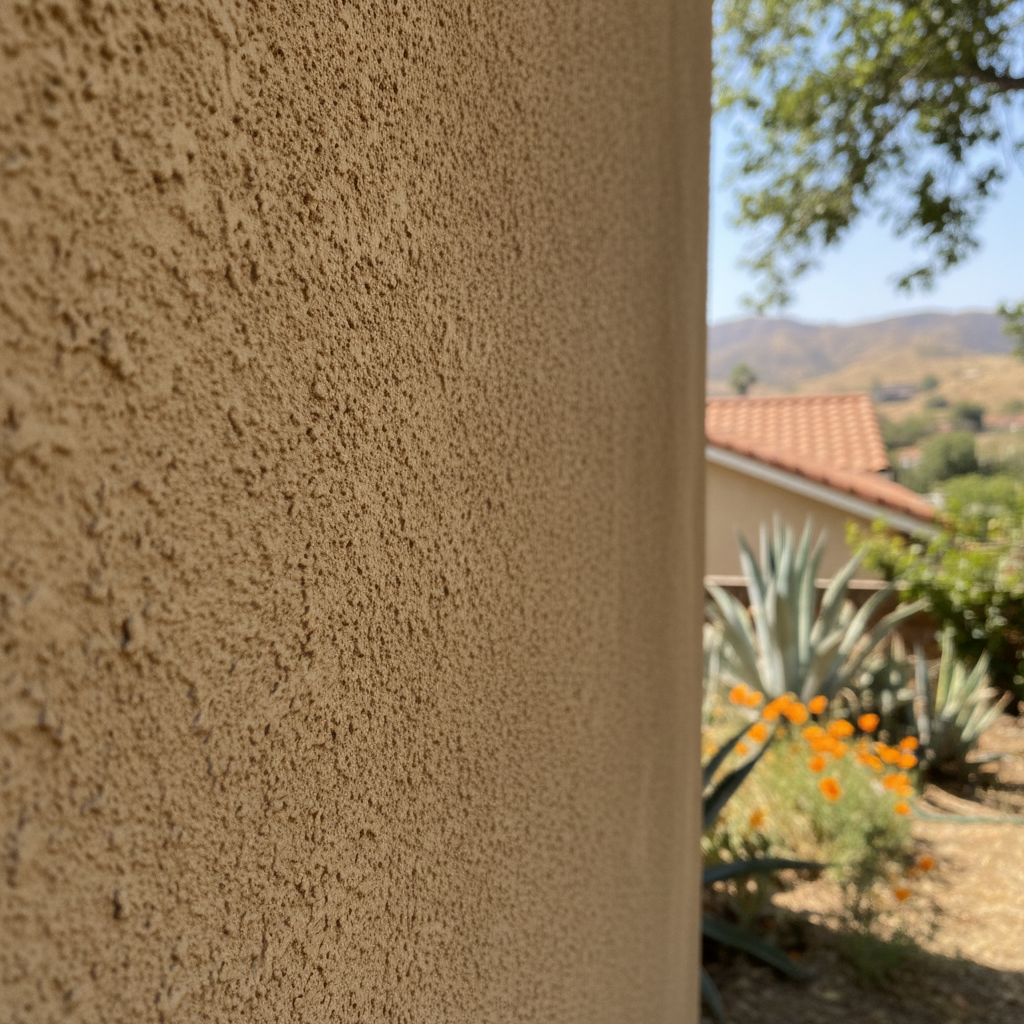
Alright, let's talk about stucco redashing. I get a lot of calls from homeowners here in Pasadena—especially those with beautiful old Craftsman or Spanish Colonial Revival homes—wondering if redashing is the right move for their place. It's a solid option for giving your exterior a fresh start without tearing everything down. But it's not always simple, and you deserve honest answers, not just marketing talk. So, let's dive into some of the most common questions I hear about redashing.
What exactly is stucco redashing?
Simply put, redashing means putting a fresh, thin layer of stucco right over your existing stucco exterior. Think of it like a really good facelift for your house. It’s not a full tear-off and re-stucco job, which is a much bigger project, as you can imagine. The goal here is to renew the look, fix minor surface issues, and add another protective layer to your home.
How do I know if my stucco needs redashing, or something more serious?
This is where my experience really comes in handy. You'll often see signs like hairline cracks, fading, or minor discoloration. These are usually good candidates for redashing. Hairline cracks are pretty common in any cement-based material, especially with our Pasadena weather. We get those hot, dry Santa Ana winds followed by cooler, damp periods, and that constant expansion and contraction can definitely cause small cracks.
However, if you've got bigger issues—like cracks wider than an eighth of an inch, diagonal cracks around windows and doors, soft or bulging spots, or significant water stains—you might be looking at something more serious than a redash. Those can point to underlying structural movement, moisture getting in, or even problems with the lath behind the stucco. If you're seeing that kind of damage, we need to assess the root cause first. A redash won't fix a deeper problem; it'll just cover it up temporarily, and that's not how we do things at Pasadena Stucco & Plastering.
How long does a redashed stucco last?
If we do it right, a good redash can easily last you 15 to 20 years. Some sources even say stucco can last 50 to 80 years or more with proper maintenance. This really depends on the quality of the materials we use, how well it's applied, and how much sun and weather it's exposed to. Regular cleaning and quickly taking care of any new damage will help it last the longest. Here in Pasadena, with our intense sun exposure, using materials with good UV protection is key to preventing it from fading too soon.
Will redashing fix all cracks and imperfections?
It'll definitely take care of minor surface cracks and imperfections, giving your home a much smoother, refreshed look. But it's not a magic bullet for everything. Before we even think about redashing, we'll inspect your existing stucco thoroughly. Any significant cracks or damaged areas need to be properly repaired first. We're talking about fixing the actual problem, not just painting over it. If your home has a history of major cracking—say, from settling on the expansive clay soils we sometimes see around the San Gabriel Valley foothills—we'll need to address that underlying issue before applying a new coat. Otherwise, those cracks will just come right back.
What's the process for redashing?
It's more involved than just slapping on a new coat, that's for sure. Here's the general rundown:
- Inspection and Prep: First, we do a thorough inspection to find any underlying issues like water damage or structural problems. We'll clean the existing stucco surface to get rid of dirt, grime, and loose material. If there's old paint, sometimes we need to sandblast it off because new stucco won't bond well to paint.
- Repairs: Any significant cracks or damaged areas get repaired. This might involve removing loose stucco, cleaning the substrate, and applying new stucco layers to match the original profile.
- Bonding Agent (if needed): Sometimes we'll apply a bonding agent to make sure the new coat sticks properly to the old one.
- New Stucco Application: Then comes the new, thin layer of stucco. We use a polymer-modified mix for better flexibility and durability.
- Texturing and Curing: We'll match the texture you want, whether it's a smooth finish or something with more character. Proper curing is crucial, which often means misting the stucco with water for a few days, especially in our dry climate, to prevent it from drying too fast and cracking.
Do I need a permit for stucco redashing in Pasadena?
This is a common question, and it's important to get it right. In Pasadena, if your stucco work goes over 25 square feet, you typically need a permit. The City of Pasadena's Building & Safety Division handles permits and inspections. For projects over $1,500, a permit is usually required. We always handle the necessary permit applications and make sure the work meets local building codes and safety standards. It protects your property and ensures everything's up to snuff.
How does redashing compare to a full stucco replacement?
They're two different animals. Redashing is for when your existing stucco is mostly sound but needs a cosmetic refresh and minor repairs. It's less invasive, quicker, and generally more affordable. A full replacement, on the other hand, is for severe deterioration, widespread delamination, extensive water damage, or if the underlying sheathing or framing is compromised. That means tearing off the old stucco, inspecting and repairing the lath and moisture barriers, and then applying all new stucco layers. It's a much bigger job, but sometimes it's the only way to truly fix deep-seated problems.
Choosing between redashing and a full replacement depends on the condition of your stucco. My team and I at Pasadena Stucco & Plastering can come out, take a look, and give you an honest assessment of what your home really needs. We're not here to sell you something you don't need; we're here to make sure your home is protected and looks great for years to come.