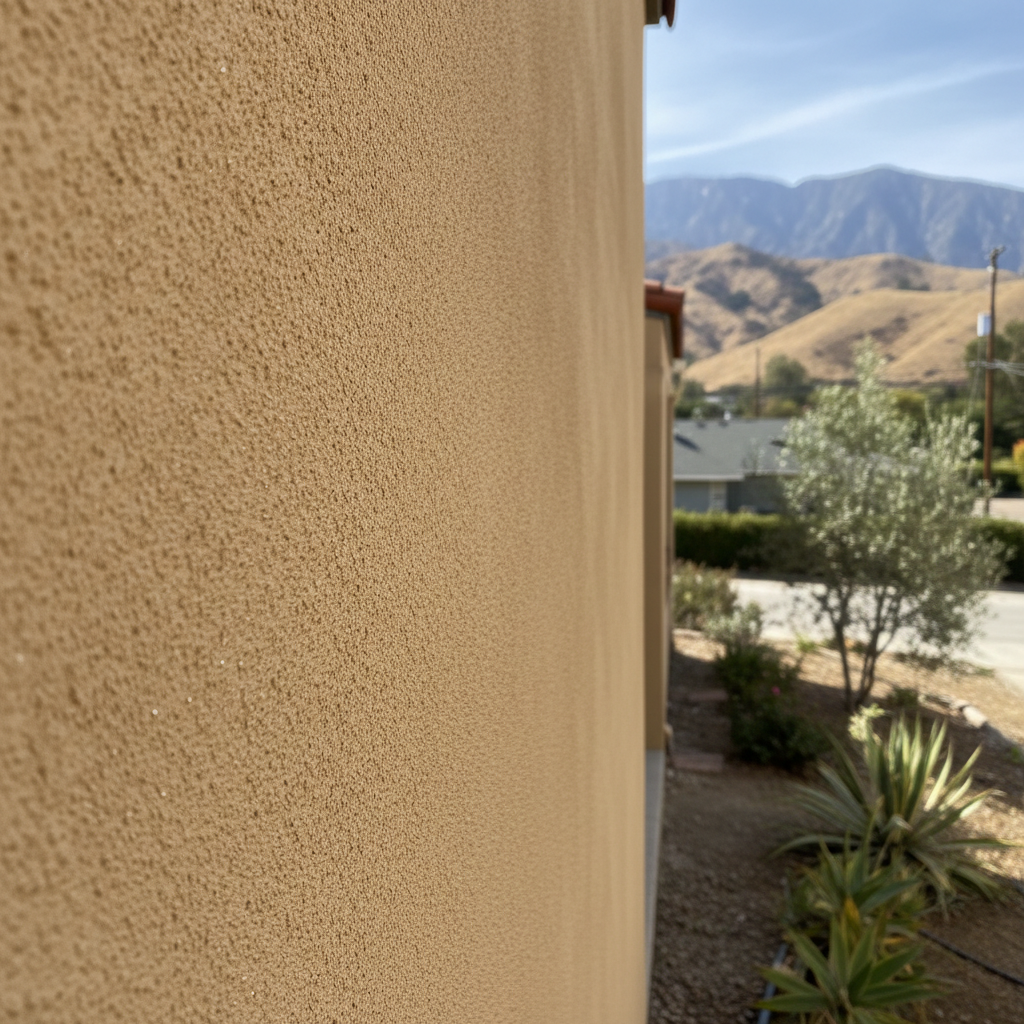
So, you're looking at your stucco and maybe wondering if it's time for a refresh, or even a full redash. That's a pretty common thought for homeowners here in Pasadena, especially with our diverse housing stock. I mean, we've got everything from those classic Craftsman bungalows in Bungalow Heaven to the sleek mid-century moderns tucked up in the hills. Folks ask me about redashing a lot, and it's a big decision, so let's just cut through all the jargon and get to what you really need to know.
What exactly is stucco redashing, and how's it different from a repair?
Good question. When we talk about redashing, we're basically putting a brand new finish coat of stucco right over your existing, solid stucco. It's not just patching up a crack or two, you know? Think of it more like a complete facelift for your home's exterior. We don't usually tear off the old stuff, unless it's really, really compromised. Instead, we get the surface ready – make sure it's clean and stable – and then we put on that fresh layer. This new layer can match your old texture or be something totally different, giving your home a whole new vibe. Repairs, on the other hand, are all about fixing specific, localized damage: a crack here, a hole there. Redashing? That's a full-on surface renewal.
How do I know if my stucco needs redashing versus just a good cleaning or paint job?
This is where my years of experience really come in handy. You can usually tell, honestly. If your stucco looks tired, faded, or has a bunch of hairline cracks all over, but the stuff underneath feels solid, then a redash is probably a good bet. Now, if you've got bigger cracks, areas that sound hollow when you tap them, or sections that are crumbling, you might need more extensive repairs first. Maybe even a partial tear-off before we can redash. Sure, a good cleaning makes a dirty house look better, and paint can hide a lot of sins. But neither will fix surface imperfections or give you that fresh, consistent texture like a redash will. If you're seeing widespread minor deterioration, not just dirt, that's a strong sign. Sometimes, after years of painting, the original texture gets lost too; a redash brings that right back.
What's the typical process for a stucco redash project?
Alright, let's walk through it. First, we do a really thorough inspection of your existing stucco. We need to make sure it's a good candidate for redashing, checking for any major damage that needs fixing first. Then, it's all about preparation. We clean the surface super well, sometimes power washing, sometimes just scrubbing. Any loose material? That gets removed. Next, we apply a bonding agent; this is crucial for making sure the new stucco sticks properly to the old. After that, we apply the new finish coat. This is where the magic happens, where we get the texture just right. Depending on the texture and the weather, it might be one or two coats. Finally, we clean up, and you're left with a beautiful, refreshed exterior. It's definitely not a quick weekend job; it takes skilled hands and a real eye for detail.
How long does a stucco redash last, and what kind of maintenance does it need?
A properly applied stucco redash, using quality materials, should last you decades – easily 20-30 years, sometimes even more. It's a very durable finish, especially here in Pasadena where we don't get those extreme freeze-thaw cycles that can really beat up stucco in other climates. As for maintenance, it's pretty low-key. You'll want to keep it clean, maybe a gentle power wash every few years to get rid of dirt and mildew. Just make sure your sprinklers aren't constantly hitting the walls, and keep an eye on your gutters to prevent water from running down the stucco. If you see any small cracks pop up over time, address them quickly. That's about it. It’s designed to be a long-lasting, resilient exterior, after all.
Can I change the color and texture of my stucco when I redash?
Absolutely, that's one of the best parts about redashing! You're not stuck with what you had before. You can pick a completely new color that's mixed right into the stucco itself, so it goes all the way through. That's unlike paint, which is just on the surface. This means no fading or chipping like you'd get with paint. And texture? Oh, you've got options. From a smooth Santa Barbara finish, which is pretty popular in some of the more modern homes, to a more traditional sand finish, or even a heavier dash. We can show you samples and talk through what would look best with your home's style and the surrounding landscape. It's a real chance to transform your home's curb appeal.
What's the typical cost for a stucco redash in Pasadena, and what factors influence it?
Look, I can't give you an exact number without seeing your house, but I can tell you what goes into the cost. The size of your home, obviously, is a big one – more square footage means more material and labor. The existing condition of your stucco also plays a huge role; if there's a lot of prep work, repairs, or old paint that needs extra attention, that adds to the cost. The type of texture you choose can affect it too, as some textures are just more labor-intensive to apply. Accessibility is another factor – if we need scaffolding for a multi-story home or if there are tight spaces, that can increase labor time. And, of course, the quality of materials matters. Here at Pasadena Stucco & Plastering, we don't cut corners on materials, because that's what ensures the longevity of the job. We'll give you a clear, itemized quote so you know exactly what you're paying for.
Will redashing fix water intrusion issues?
This is a critical question, and the honest answer is: not directly. Redashing is primarily a cosmetic and protective surface renewal. If you have water intrusion, that means water is getting behind your stucco, usually because of flashing issues around windows, doors, or rooflines, or from cracks that are letting water get to the underlying layers. A redash might cover up existing cracks, sure, but it won't fix the actual source of the water problem. In fact, if you just redash over a water intrusion issue, you could be trapping moisture inside, which leads to bigger problems like rot and mold. Before we even think about redashing, we'll thoroughly inspect for any signs of water damage or potential entry points. If we find them, those issues need to be properly repaired and sealed first. You want a dry, sound substrate before any new finish goes on. Always address the root cause of water problems, don't just cover them up.