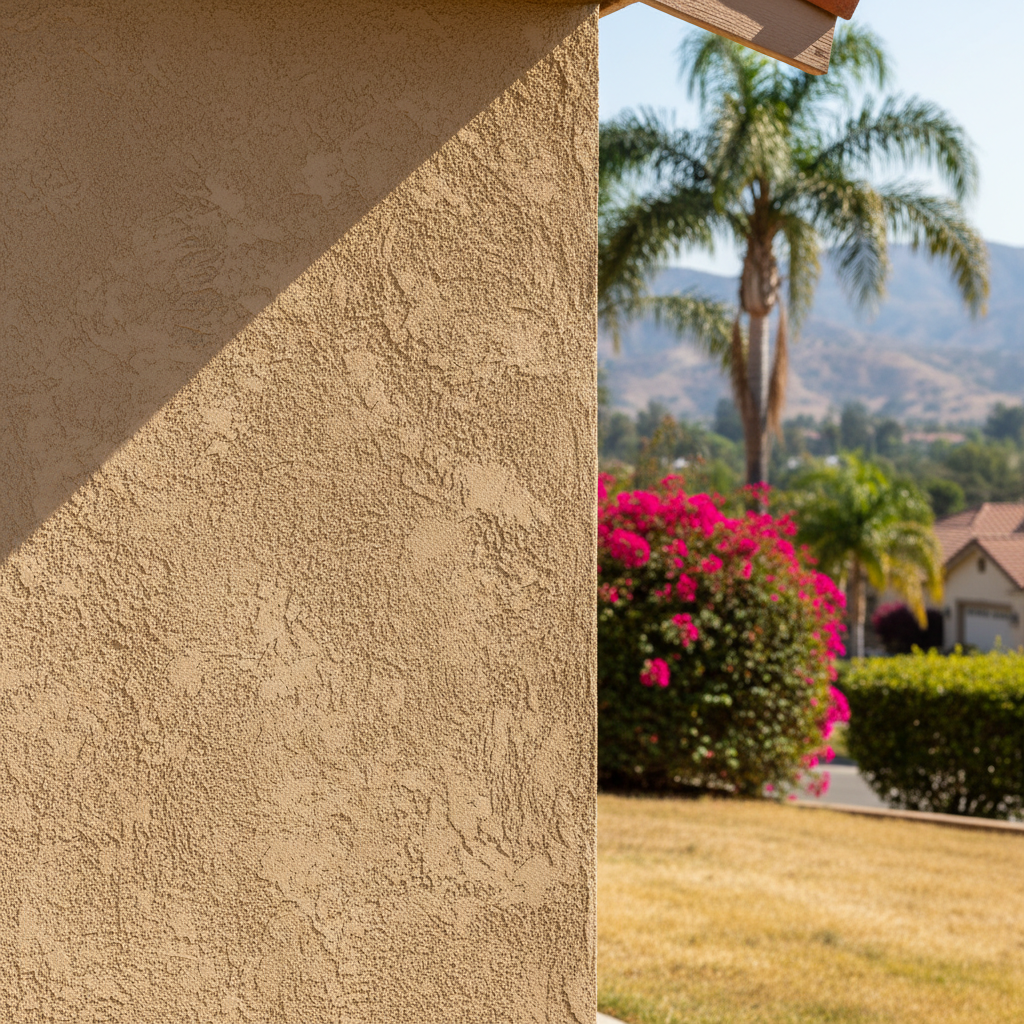
You're looking at your home, maybe noticing some cracks, or just thinking it's time for a fresh look. Stucco's a great choice for Pasadena homes – it's durable, energy-efficient, and looks fantastic when done right. But what does "done right" actually mean for you, the homeowner? Let's break it down.
Before You Start: Planning & Prep
First things first, don't jump into anything without a plan. This isn't just about picking a color; it's about understanding the scope of work. Are you repairing existing stucco, or is this a full re-stucco job? The difference in effort and cost is huge, you know?
For minor repairs, like small hairline cracks, you might be able to tackle it yourself. I'm talking about those tiny spiderweb cracks you see after a dry Santa Ana wind season. You can grab patch kits at most hardware stores. Just make sure you clean the area thoroughly, apply the patch, and then match the texture and color as best you can. It's not rocket science, but getting an exact match, especially on older stucco, is tough. Don't expect perfection on your first try.
But if you're seeing bigger cracks – say, wider than a credit card – or if sections sound hollow when you tap them, or worse, if you see water stains inside your walls, you've moved past DIY territory. Those are signs of underlying issues, possibly water intrusion or structural movement. Trying to patch over that is like putting a band-aid on a broken leg. You need to call a pro to assess the damage properly. They'll look for things like proper flashing around windows and doors, which is often where water problems start, especially in older homes in areas like the Bungalow Heaven district where original construction might not have met today's standards.
Also, think about permits. For significant repairs or any new stucco installation, you'll likely need one from the City of Pasadena. A good contractor will handle this for you, but it's something to be aware of.
During the Project: What to Expect & How to Help
So you've decided to hire a professional. Smart move for anything beyond the smallest cosmetic fixes. What should you expect when the crew shows up?
First, expect noise and dust. Stucco work isn't quiet or clean. Your contractor should take steps to protect your property, covering plants and windows, for example, but there will still be some mess. You might want to move outdoor furniture or cover anything delicate.
Communication is key here. Don't be afraid to ask questions. "What's happening today?" "How long will this section take?" A good crew, like the folks at Pasadena Stucco & Plastering, will keep you in the loop. They should explain the different layers of stucco – scratch coat, brown coat, and finish coat – and why each one is important. It's not just slapping mud on a wall; it's a multi-step process that needs time to cure correctly.
Your job during this phase is mostly to stay out of the way, but also to be available for decisions. Color choices, texture samples – these are things you'll need to sign off on. Don't rush these decisions. Look at samples in different light conditions, morning, noon, and evening, because the light here in Pasadena can really change how a color appears.
If you're doing a full re-stucco, they might need access to your water and electricity. Make sure those are readily available. And if you have pets, keep them safely indoors or away from the work area. Nobody wants a paw print in fresh stucco.
After It's Done: Maintenance & Long-Term Care
Okay, the dust has settled, the scaffolding is down, and your home looks amazing. Now what? Stucco is low maintenance, but it's not *no* maintenance.
The biggest thing you can do is keep it clean. Dirt, dust, and even mildew can build up over time. A gentle wash with a garden hose and a soft brush is usually all it takes. For tougher spots, a mild detergent and water mixture works wonders. Avoid high-pressure washers unless you know what you're doing; they can damage the stucco surface if used incorrectly, especially on older, softer finishes.
Keep an eye out for those small cracks I mentioned earlier. Catching them when they're tiny means an easy DIY fix. If you let them grow, they can become pathways for water, leading to bigger problems down the line. Do a walk-around inspection of your home every six months or so. Look closely at areas around windows, doors, and rooflines – these are common trouble spots.
Also, check your sprinklers. Make sure they aren't constantly spraying your stucco walls. Constant moisture is a stucco killer, encouraging mildew growth and eventually leading to deterioration. Adjust them so they water your plants, not your house.
If you ever notice persistent discoloration, bubbling, or peeling paint on your stucco, don't ignore it. That's a sign that water is getting in somewhere. At that point, it's time to call in a professional again. They can diagnose the issue and recommend the right repair. Taking care of these things promptly will save you a lot of headache and money in the long run. Your stucco is your home's skin; treat it well, and it'll protect your home for decades.