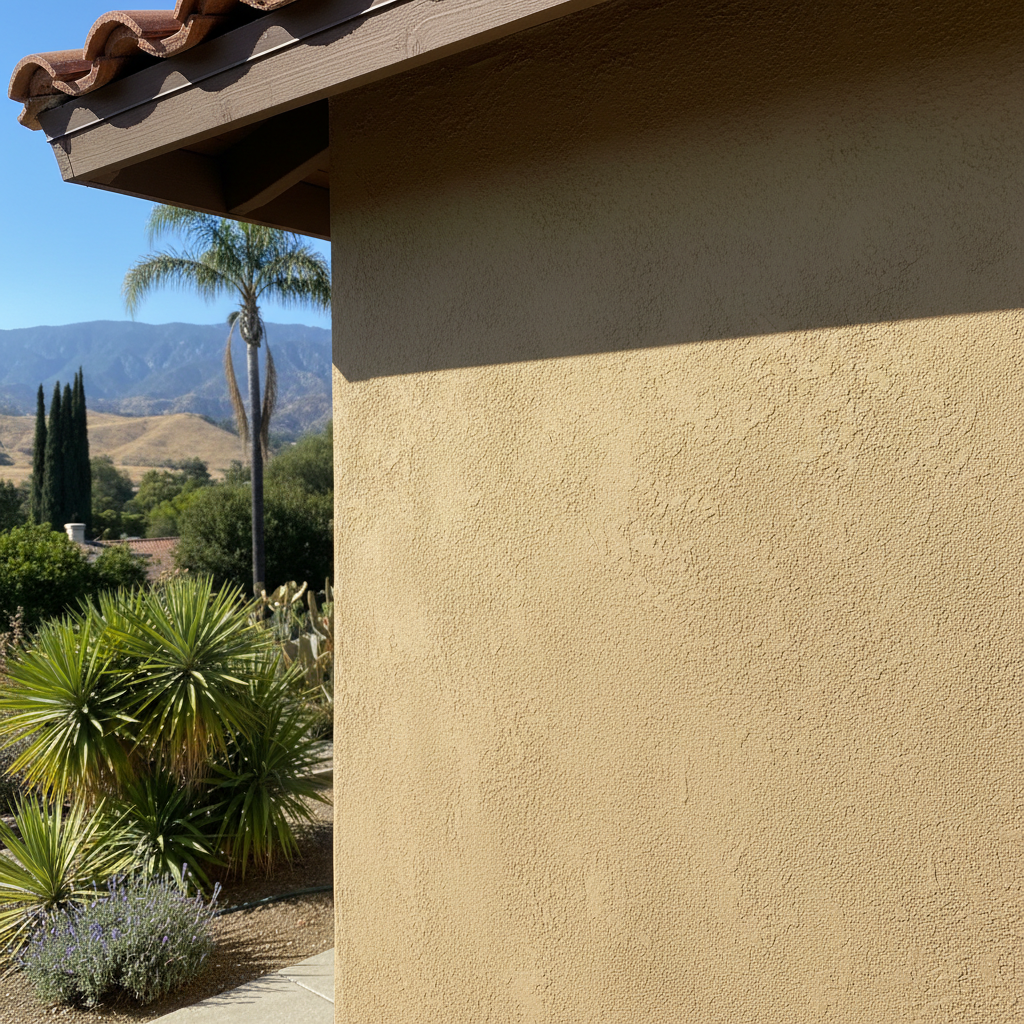
Alright, let's talk about painting stucco. It's a common project here in Pasadena, and I get a lot of the same questions from folks trying to figure out the best way to keep their homes looking good and protected. So, I figured I'd just lay out some straight answers to the most common stuff I hear. No fancy marketing talk, just what I've seen work and what you need to know.
Can I just paint over old, cracked stucco?
Absolutely not. That's probably the biggest mistake I see people make. Painting over cracks or damaged stucco is like putting a band-aid on a broken bone – it might look okay for a minute, but it's not fixing the underlying problem. Those cracks are often letting water in, which can cause bigger issues down the line, like dry rot in your sheathing or framing. Before any paint goes on, you've got to repair the stucco properly. That means cleaning out the cracks, applying a good quality patch material that matches the existing texture, and letting it cure. If you've got delamination or soft spots, that's a whole different ballgame and usually requires more extensive repair. Skipping this step means your new paint job won't last, and you'll be dealing with peeling and recurring cracks in no time. It's a waste of money and effort, honestly.
How do I prepare my stucco walls for painting?
Preparation is key; it's where most of the work happens. First, you've got to clean the surface thoroughly. I'm talking about power washing to get rid of all the dirt, grime, mildew, and loose paint. If you've got a lot of mildew, especially on the north-facing sides of homes in shadier areas like the San Rafael Hills, you'll want to use a mildewcide or a bleach solution mixed with water. Let that sit for a bit, then rinse it all off. After cleaning, you need to let the stucco dry completely. This can take a few days, especially if it's been really wet. Then, as I mentioned, repair any cracks or damage. Once repairs are done and dry, you'll want to prime the stucco. A good quality acrylic primer designed for masonry or stucco will help the paint stick better, give you a uniform surface, and stop any old stains from bleeding through. Don't skimp on the primer; it makes a huge difference in the final look and how long it lasts.
What's the best type of paint for stucco in Pasadena's climate?
For stucco here in Pasadena, you really want to go with a high-quality 100% acrylic latex paint. These paints are flexible, which is crucial for stucco. Stucco naturally expands and contracts with temperature changes, and a flexible paint can move with it, reducing the likelihood of cracking and peeling. They're also breathable, letting moisture vapor escape from the wall, which is important for preventing issues like blistering. You'll often hear about elastomeric coatings too, and while they offer even more flexibility and waterproofing, they're not always necessary for every home. For most well-maintained stucco, a premium acrylic latex paint will do the trick. It sticks well, holds its color, and resists fading and mildew — pretty important with our strong California sun.
How long does stucco paint typically last?
If you do all the prep right and use a good quality paint, you can expect your stucco paint job to last anywhere from 7 to 15 years, sometimes even longer. The biggest factors affecting how long it lasts are the quality of the paint, how thoroughly you prepare the surface, and the exposure conditions. Homes on south-facing hillsides, for example, get a lot more sun exposure than a home tucked away on a tree-lined street, and that sun can really accelerate fading and wear. Regular cleaning can also extend the life of your paint job by preventing dirt and mildew buildup from breaking down the paint film. When you start seeing chalking (a powdery residue when you rub your hand on the wall), fading, or minor cracking, that's usually a sign it's time to start thinking about repainting.
Should I use a roller, brush, or sprayer for stucco?
Each method has its place, but for stucco, a combination is usually best. For the main field of the walls, a sprayer is often the most efficient way to put paint on, especially on larger homes. It gives you a very even coat and can get into all the nooks and crannies of the stucco texture. However, spraying requires a lot of masking and careful technique to avoid overspray. After spraying, or even if you're not spraying, back-rolling or back-brushing is crucial. This means immediately going over the sprayed or rolled paint with a roller (with a thick nap, like 3/4 inch or 1 inch) or a brush. This works the paint into the texture, ensures good adhesion, and eliminates any drips or uneven spots. For trim, corners, and detailed areas, brushes are indispensable. So, don't think you can just spray and walk away; proper back-rolling or back-brushing is what makes the paint truly bond and look professional.
What about color choices for stucco?
Color is a big one, and it's more than just aesthetics. Lighter colors tend to reflect more sunlight, which can help keep your home cooler, especially during our hot Pasadena summers. Darker colors absorb more heat, which can put more stress on the stucco and the paint, potentially leading to faster fading or even thermal cracking over many years. That's not to say you can't use darker colors, but it's something to consider. Always get samples and paint them on a small, inconspicuous section of your wall. Look at them at different times of day, in different light conditions. What looks great on a tiny swatch might look totally different on a whole wall. Think about your home's architectural style and the surrounding landscape too. A classic Spanish style home might look best with warm earth tones, while a more modern design could handle something bolder. Take your time with this decision; it's a big commitment.
Look, painting your stucco home isn't just about making it look pretty. It's about protecting your investment. If you've got questions or need a hand with repairs before you even think about paint, that's exactly what we do here at Pasadena Stucco & Plastering. We've seen it all, and we're happy to give you an honest assessment. Don't hesitate to reach out.