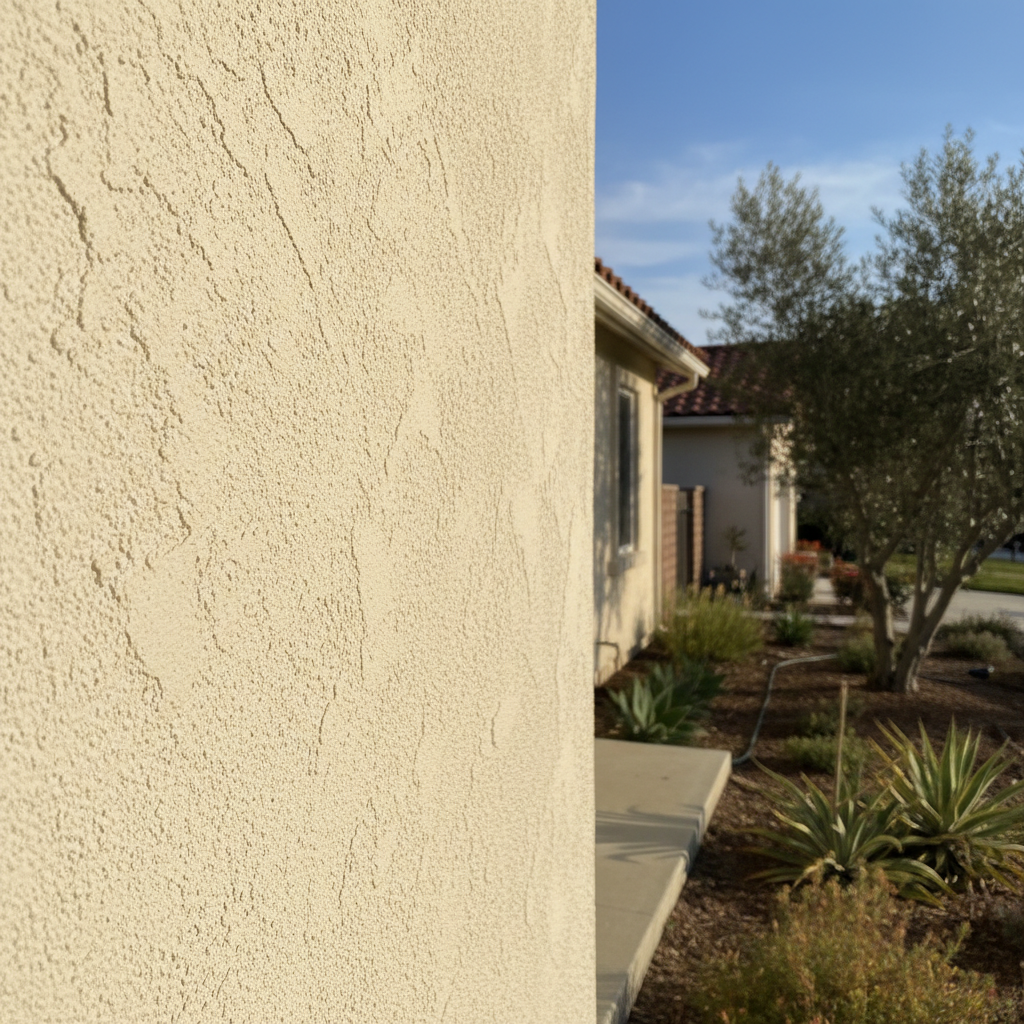
Stucco's a great choice for homes here in Pasadena. It's durable, looks good, and holds up well to our hot summers and occasional wet winters. But when you're thinking about a new stucco job, whether it's a repair or a full exterior, a lot of homeowners wonder: "Can I do this myself, or do I need a pro?" It's a fair question, and the answer isn't always black and white. Let's talk about what you can realistically handle and when it's time to pick up the phone.
Before You Even Think About Stucco
Alright, before any mixing or spreading happens, you've got some homework. First, understand what kind of stucco you're dealing with or what you want. Traditional three-coat stucco is different from one-coat or EIFS (Exterior Insulation and Finish System). Each has its own application process, materials, and even code requirements. You don't want to start a project only to find out you're using the wrong stuff or doing it illegally.
Next, permits. Seriously, don't skip this. In Pasadena, especially if you're changing the exterior of a historic home in areas like Bungalow Heaven or the Arroyo Seco, you'll definitely need to check with the city's planning department. Even for a simple re-stucco, permits are often required for structural integrity and proper drainage. Trying to skirt the rules usually ends up costing you more in fines and rework down the line.
Then there's the prep work. This is crucial, and honestly, it's where a lot of DIYers get into trouble. You need a clean, stable surface. That means removing old, loose stucco, repairing any sheathing damage, and making sure your walls are plumb and straight. If your existing walls are wavy, your new stucco will be wavy too. This isn't just about aesthetics; proper preparation ensures the stucco adheres correctly and lasts for decades.
What You Can Probably DIY (With Caution)
Look, I'm all for homeowners being handy. There are definitely smaller stucco tasks you can tackle if you're patient and willing to learn.
- Small Patching: If you've got a small crack or a little ding, like a golf ball hitting the wall, you can probably patch that yourself. Buy a pre-mixed stucco patch kit from the hardware store. Clean the area, dampen it, apply the patch, and try to match the texture. It takes practice, but it's doable for minor stuff.
- Color Matching (Testing): Before a big job, you can buy small bags of stucco mix and experiment with pigments to get the right color. It's a good way to see how different shades look on your house in natural light before committing to a whole batch.
- Clean-up: After any stucco work, there's always a mess. You can absolutely handle the clean-up, protecting plants, and disposing of waste.
The key here is