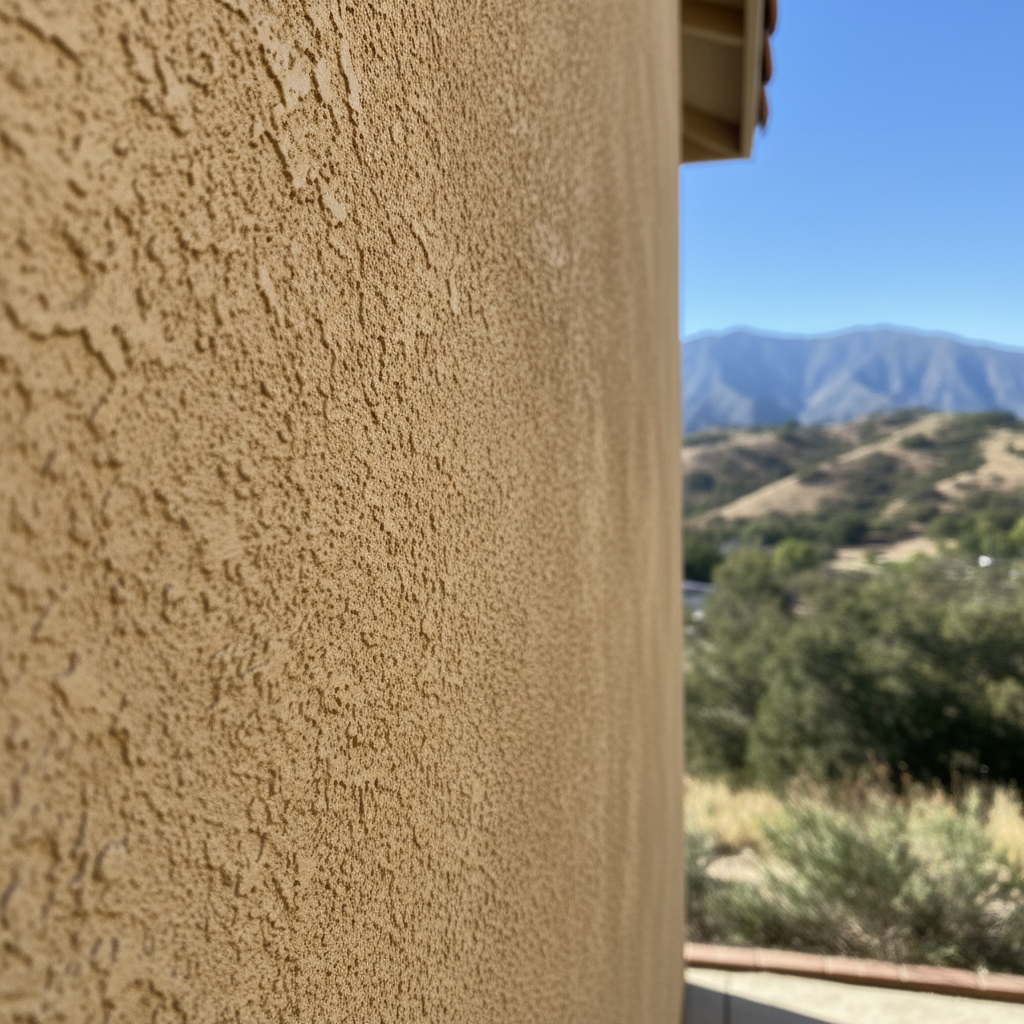
Stucco's tough, we all know that. It's truly one of the best siding materials for our Pasadena homes, especially with those hot, dry summers and the occasional wet winter we get. But even the toughest stuff can get dinged up, crack, or just start showing its age. So, what's the plan when your stucco needs a little love? Can you fix it yourself, or is it time to pick up the phone?
Spotting Stucco Damage: What to Really Look For
Before you even think about grabbing a trowel, you've got to know what you're up against. Take a walk around your house and really give that stucco a good look. You're not just hunting for big holes; sometimes, the subtle stuff is actually more important, you know?
- Hairline Cracks: These are super common. Think of them like fine lines on your skin, usually just in the top coat. They often pop up if the stucco dried too fast or from minor settling.
- Spiderweb Cracks: A bit more noticeable, these spread out in multiple directions. Still often superficial, but they can hint at a little more movement happening.
- Impact Damage: Did a kid's baseball smack the wall? Or maybe you backed into the garage with something sticking out? These are usually pretty obvious chips or holes.
- Cracks Around Openings: See cracks fanning out from your window or door frames? That often means structural movement or inadequate flashing. This is where you really start getting into "call a pro" territory.
- Bulging or Soft Spots: Press on the stucco in different areas. If it feels soft, spongy, or bulges out, that's a huge red flag for water getting in behind the stucco. This is serious business.
- Discoloration or Staining: Dark streaks, especially under windows or near the roofline, almost always mean water is sneaking in where it shouldn't.
DIY Stucco Repair: What You Can Actually Do
Alright, let's talk about what you, the homeowner, can probably handle without too much fuss. If you're handy, patient, and not scared to get a little dirty, you can definitely save some money on the smaller fixes.
Hairline and Spiderweb Cracks
These are your best bet for a DIY project. You'll need:
- A good quality acrylic or elastomeric caulk specifically for stucco: Don't just grab any old caulk. Make absolutely sure it's paintable and flexible.
- A caulk gun.
- A wire brush.
- A damp cloth.
- Matching paint (if you plan to paint over it).
First things first, clean out the crack with that wire brush to get rid of any loose bits. Wipe it down with a damp cloth and let it dry completely. Then, apply a thin bead of caulk directly into the crack. Smooth it with your finger or a damp sponge. The trick here is not to overfill it; you want it flush with the surface, not bulging out. Once it's dry, you can paint over it if you need to. This is a smart way to keep those small cracks from getting bigger and letting water seep in.
Small Chips and Holes (Smaller than a Quarter)
For minor impact damage, you can use a pre-mixed stucco patch compound. You can usually find these at most hardware stores. Again, clean out the area really well. Apply the patch with a small trowel or putty knife, trying your best to match the texture of the surrounding stucco. Sometimes dabbing it with a sponge or a stiff brush helps a lot. Let it cure according to the manufacturer's directions and then paint.
When to Call a Professional (Like Us at Pasadena Stucco & Plastering)
Now, let's get down to brass tacks. There's a point where DIY stops being a good idea and starts becoming a real risk. If you spot any of these issues, put down the caulk gun and call a pro, seriously.
- Large Cracks (Wider than 1/8 inch or deep): These often signal structural problems or significant movement. Just filling them won't fix the underlying issue, and you could be hiding something serious.
- Cracks Around Windows or Doors: This is almost always a sign of water getting in or problems with the framing. We've seen homes in spots like the San Rafael Hills where minor settling over time can cause these, and they need proper investigation and repair, not just a quick patch.
- Bulging or Soft Stucco: This is a massive red flag for water damage behind the stucco. If water has gotten in, it can rot the wood sheathing and framing underneath, leading to mold and structural compromise. You need someone to open up the wall, figure out the damage, fix the source of the leak, and then properly re-stucco. This isn't just a cosmetic fix; it's a structural one.
- Extensive Staining or Discoloration: Yep, water again. We need to find out where it's coming from and stop it.
- Stucco Falling Off in Chunks: This is obviously a big problem. It means the stucco isn't properly bonded to the surface anymore.
- Matching Texture and Color: Stucco texture matching is truly an art form. If you're repairing a large area, especially on an older home with a unique finish, getting it to blend seamlessly is incredibly difficult for an amateur. We have the tools, materials, and experience to make new repairs disappear into the existing finish.
After the Repair: Keeping Your Stucco Strong
Once the repair is done, whether you did it or we did, maintenance is key. Keep an eye on your gutters and downspouts; make sure they're clean and sending water away from your foundation. Trim back shrubs and trees that are touching the stucco, as they can hold moisture against the wall. And do that walk-around inspection a couple of times a year. Catching small issues early is always cheaper and easier than dealing with big ones later, right?
Look, I get it. Nobody wants to spend money on repairs. But your stucco is your home's first line of defense against the elements. Taking care of it, and knowing when to call in the cavalry, will save you a lot of headaches and money in the long run. If you're ever unsure, just give Pasadena Stucco & Plastering a call. We're happy to take a look and give you an honest assessment.